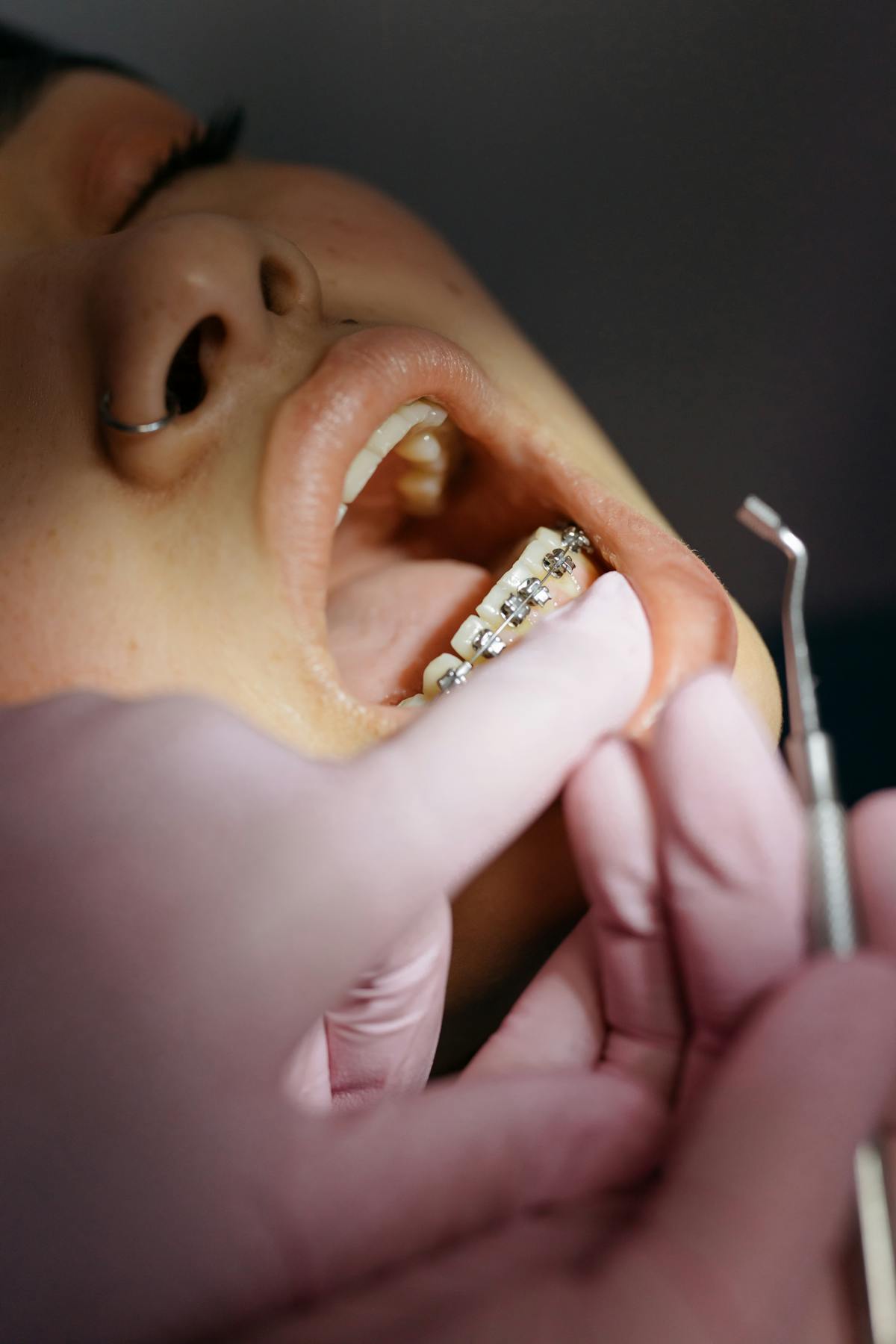
Dental Guide
How to compare dental implant quotes before you book
What to review in a treatment plan, from implant brand and scans to number of visits, timeline and recovery expectations.
5 min read
Read article EternaHealth
 Hair Transplant
A simple breakdown of graft planning, healing, density goals and why the right method depends on more than marketing terms.
4 min read

Quick answer
FUE or DHI: which method fits your case?
Many patients arrive comparing method names before they understand their actual hair-loss pattern. In practice, the best plan depends on donor quality, graft count, hairline design and how conservative the clinic is with long-term planning.
Both FUE and DHI involve extracting grafts from the donor area and placing them where density is needed. The difference is mostly in the implantation technique and how the surgeon prefers to work.
That means the real question is not which label sounds more premium, but which method suits your hair characteristics and the clinic's experience.
A good consultation should explain the likely graft range, the density goal for the front area and how the donor area will be protected for the future. Those decisions matter more than buzzwords.
If a clinic promises maximum density without discussing donor management, that is usually a warning sign.
Some patients care most about healing time, visible redness, hair washing instructions or whether a partial shave is possible. These practical details shape the experience just as much as the method itself.
Questions worth asking in consultation
Request Your Free Medical Quote
Share your case with our team and we will help you compare verified options, timelines and next steps.
Get Your Free Medical QuoteMore patient guides
Dental Guide
What to review in a treatment plan, from implant brand and scans to number of visits, timeline and recovery expectations.
5 min read
Read article
Aesthetic Care
Key questions around surgeon credentials, overnight care, follow-up and how long you should remain in Albania after treatment.
6 min read
Read article